
In recent years, fueled by authors such as Clive Sankardayal, Dr. Jolien Harmsen, Modeste Downes, and Dr. Anderson Reynolds, who between them have authored over 15 books, Vieux Fort has given rise to a growing body of distinctive literature that ranks among the best the island has to offer.
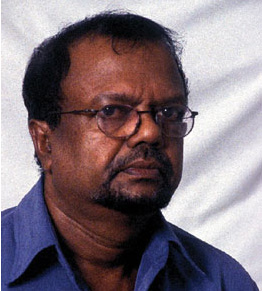
Clive Sankardayal
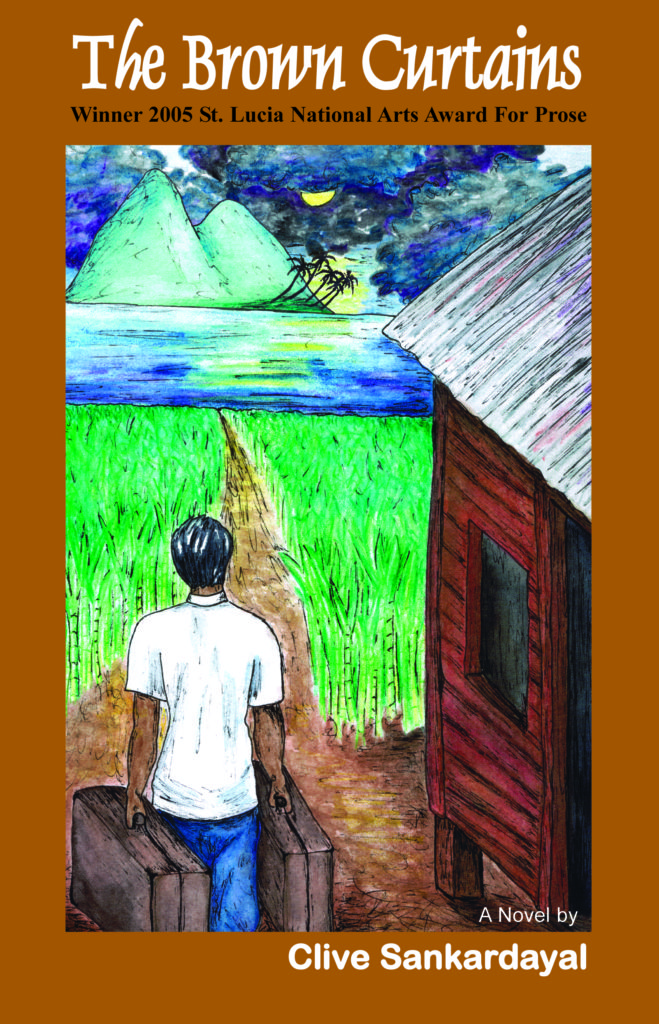
The Brown Curtains follows a group of Guyanese professionals as they migrate to St. Lucia to take advantage of better pay; as such the novel presents a lesson in racial, cultural and religious tolerance that has important implications for the CSME and Caribbean integration. As one of the few West Indian novels to explore intra-Caribbean migration and cultural differences among CARICOM countries, The Brown Curtains is indeed a path-breaking work of art.
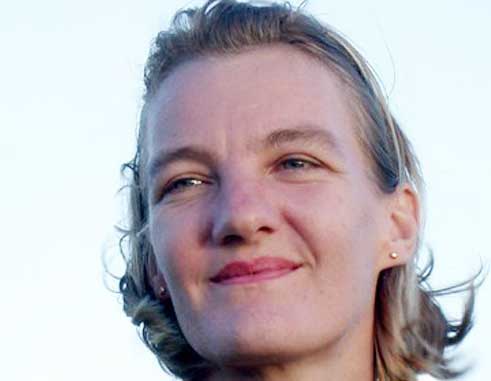
Jolien Harmsen
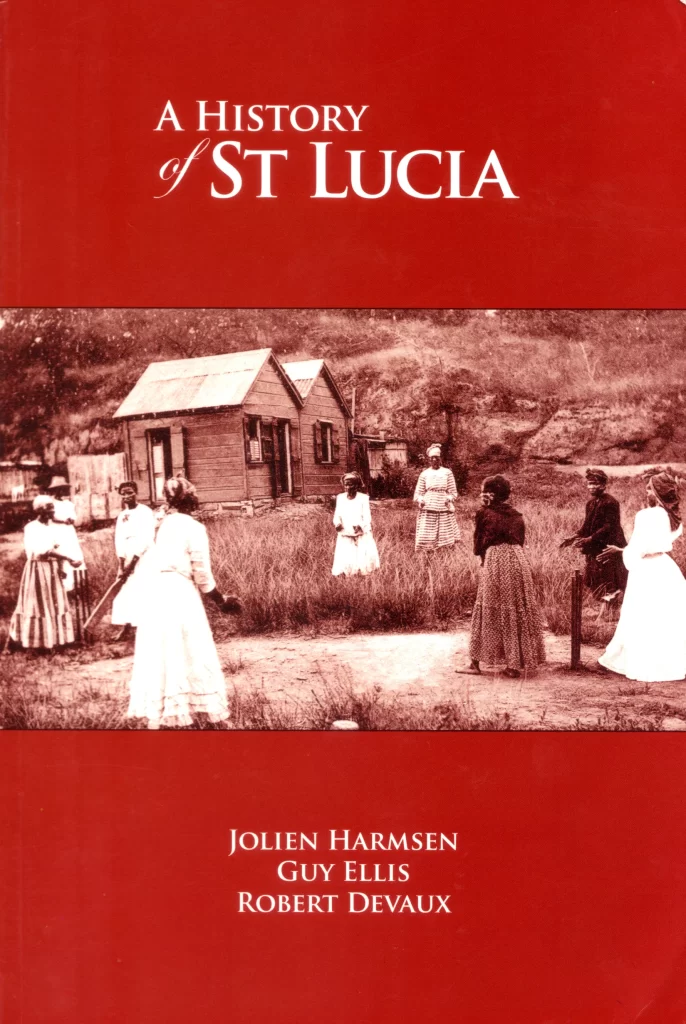
A History of St Lucia is the first-ever detailed and comprehensive record of St Lucia’s turbulent past. Beginning with the island’s geological formation and subsequent Amerindian occupation, this book takes readers through colonization by France and England, the rise and fall of the sugar industry, the tribulations of slavery, the feverish hopes and fears of the Brigand Wars, emancipation, and into the post-colonial and modern era.
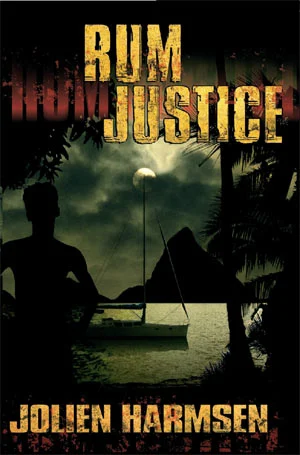
When ‘Smiley’ Riley Jackson, the handsome water-taxi driver, turns up at sea with his face chewed away by fish and a bullet wound in his chest, the finger of suspicion quickly points to the Cunninghams, wealthy Americans visiting the Eastern Caribbean island of St Cecilia. Not only has Hazel Cunningham, a regular djanmet, been spending a lot of time with the deceased behind her husband’s back, she has also caught the attention of the close-knit community in LaPointe Sable by threatening to shoot herself a black man, presumably with her husband’s unlicensed pistol. Awa! A quest to bring the Americans to trial unfolds in paradise. But where, on an economically struggling island run by self-regarding politicians and laid-back officials and with a history of slavery and colonialism, are truth and justice to be found?
Besides delving into the history of Vieux Fort, from its geological formation to the present, Sugar, Slavery, and Settlement provides deep insights into why Vieux Fort is the way it is.
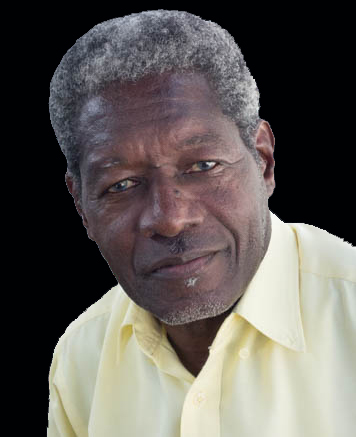
Modeste Downes
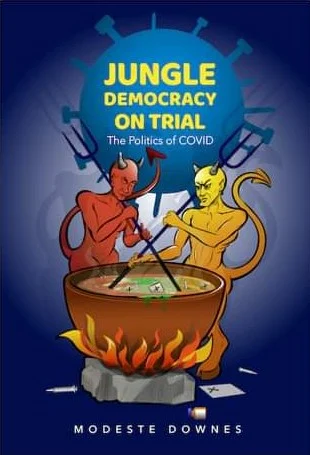
In Jungle Democracy on Trial, the writer presents the initial presence of the Coronavirus on the island and the unfolding narrative of the medical, political, legal, and social response to the pandemic. In doing so, the reader is provided with insights into the history of the island, its political heritage that is marked by an endemic culture of partisanship, as well as how that, let’s say tribalism, plays out in the months leading up to a general election within the COVID-19 environment.
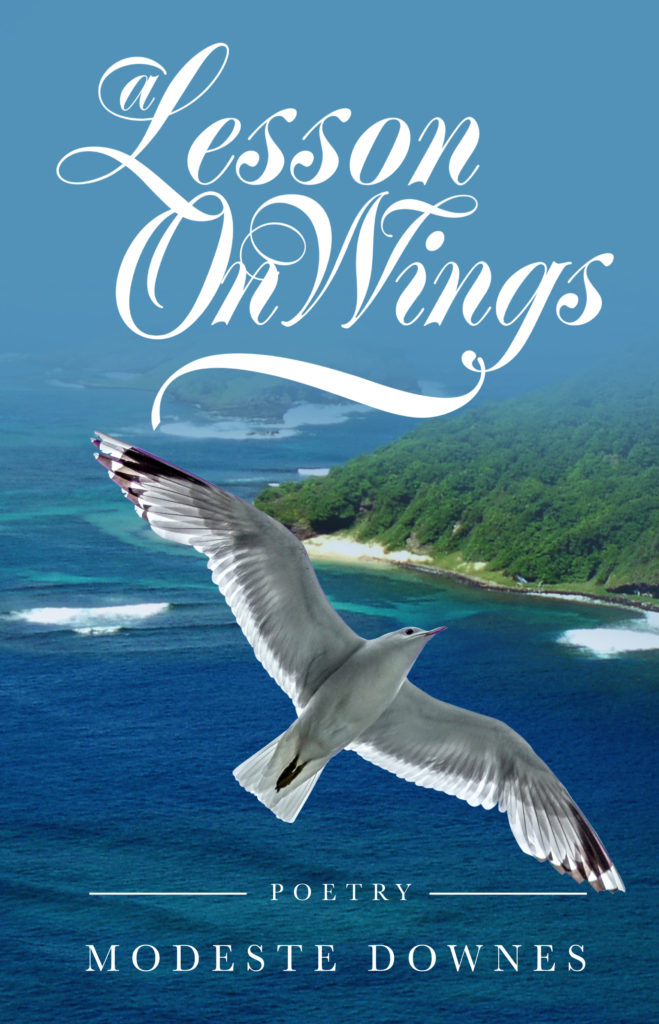
In A Lesson On Wings, multiple-award-winning St. Lucian poet Modeste Downes presents a whimsical, insightful, and beautifully crafted collection of poems that is not only reminiscent of Derek Walcott’s work but also speaks well to the state of Caribbean poetry in the post-Walcott era. It is said that first there was poetry, then poetry became words of wisdom, and then words of wisdom became words of God. Modeste Downes’ poetry may have entered the realm of words of wisdom.
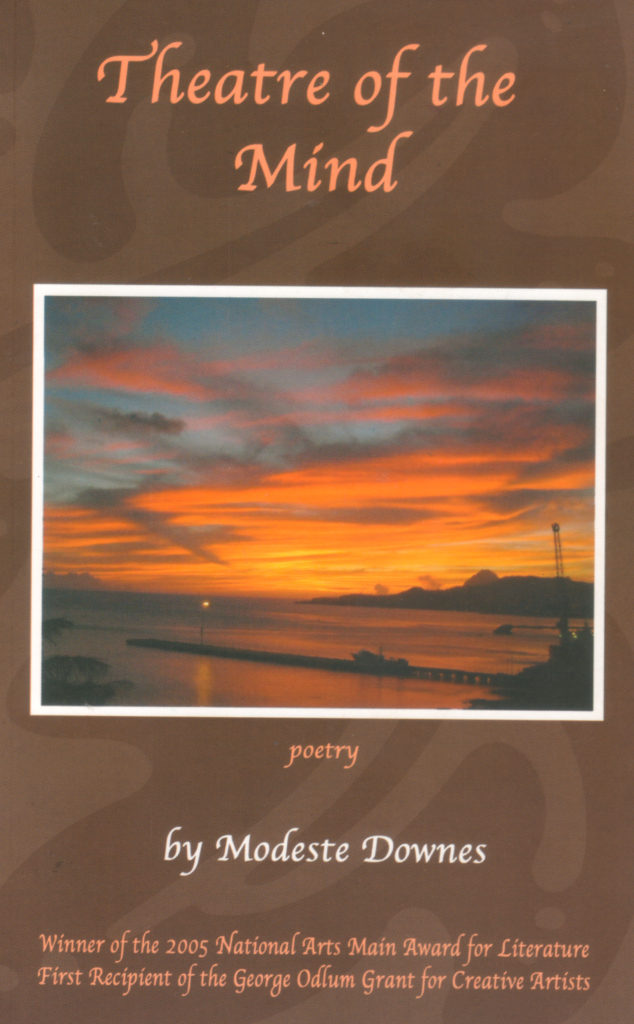
In Theatre of the Mind, the reader is treated to what is perhaps the most eclectic array of metrical forms, free verse, and even avant-garde poetry by one of St. Lucia’s most audacious practitioners of the art form. The subjects are as far-ranging as his multifaceted experiences, travels, and encounters with the human spirit and his own consciousness, as well as the varied landscape of his beloved island home, which has inspired many of his compositions. If you’re looking for evocative, impassioned, and unapologetic lyrical verse, you’ll like Theatre of the Mind.
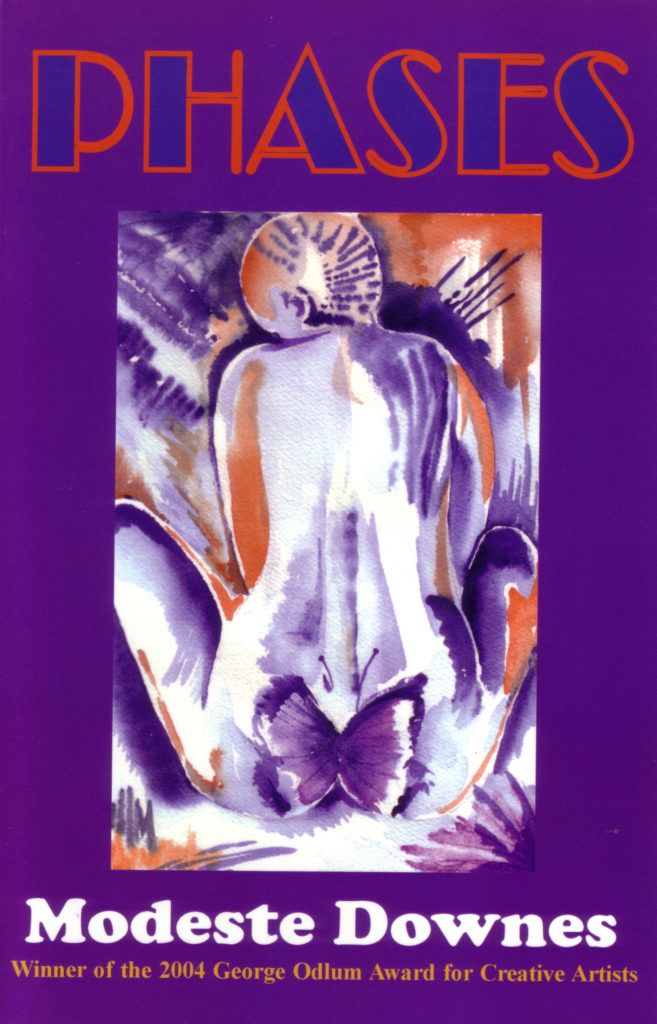
Phases is a collection of over fifty dew‑drenched poems that speak powerfully to a past when living was peaceful and growing up was fun, and a present whose dynamic invokes nostalgia and a craving for a return to the past. Like a surgeon with a scalpel, Phases dissects St. Lucian society to reveal and diagnose its spiritual and social ills. Yet, like an artist with a paintbrush, the book celebrates the uniqueness and hence the very essence of our culture.
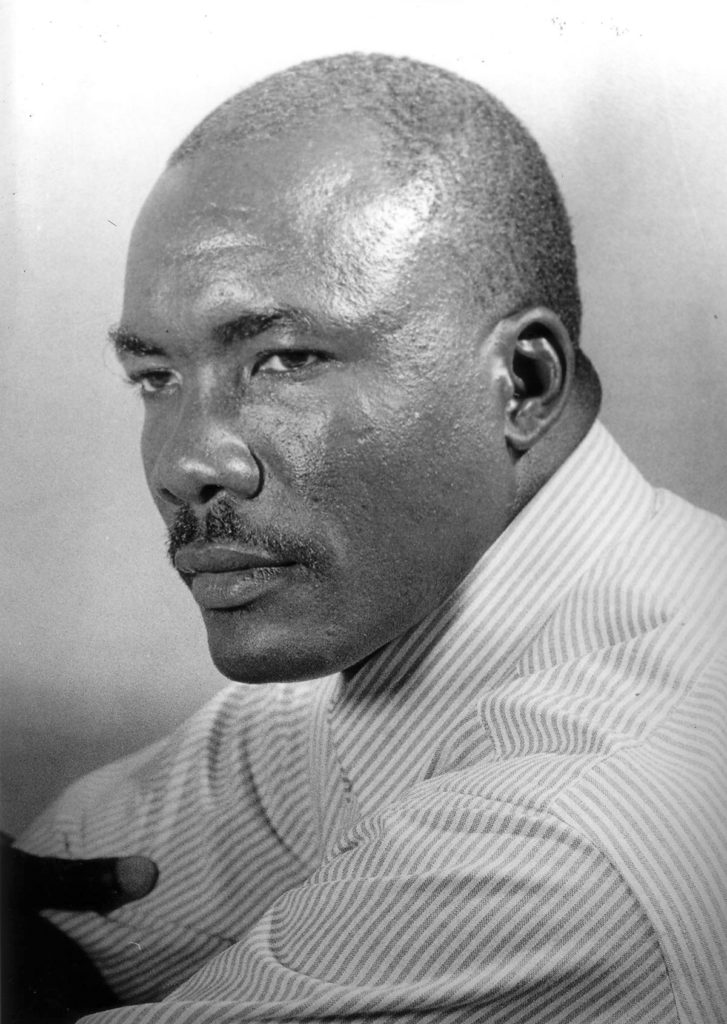
Anderson Reynolds
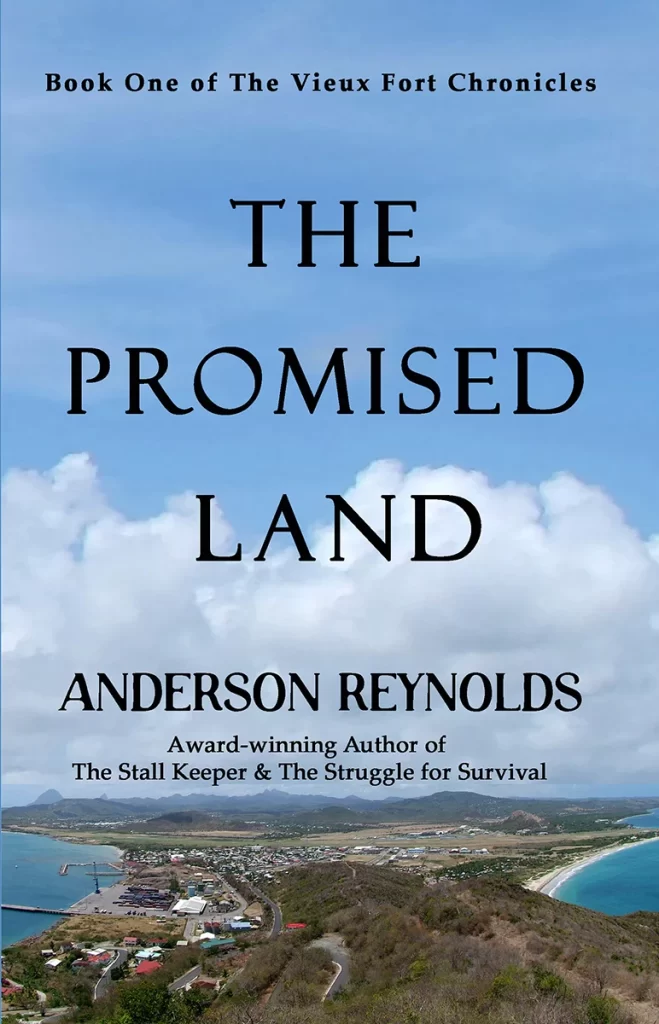
In The Promised Land, the first of The Vieux Fort Chronicles book series, Dr. Reynolds, arguably St. Lucia’s foremost public intellectual and authority on the island’s socioeconomic history, shows how government neglect, misadventure, and exploitation, along with poor governance and political representation, have kept Vieux Fort backward and prevented it from living up to its promise. However, he doesn’t stop there. He advises on who must govern (“run”) Vieux Fort and how best to govern (“run”) the town to pull it out of its socioeconomic morass and set it on the path of progress.
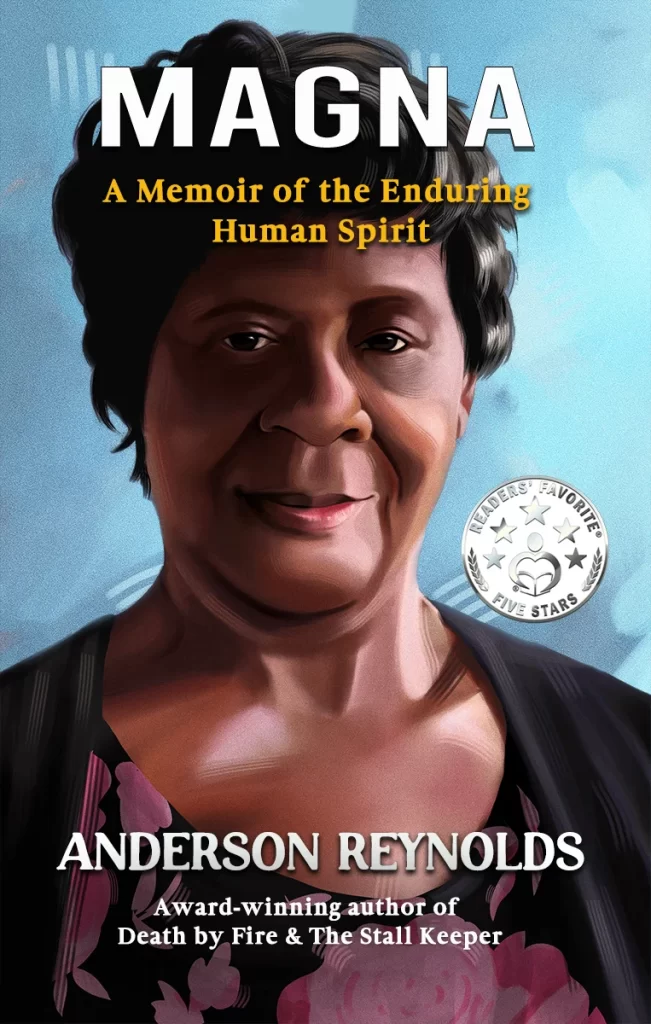
Through the example of his mother’s life, one of St. Lucia’s best storytellers and foremost public intellectuals brings us a rich and compelling narrative, suffused with the history and culture of his country, that presents invaluable lessons about dying, about how best to raise children, and how best to live a meaningful and impactful life right thru old age. It is a tour de force, an unflinching interrogation of history, the society that gave rise to the author, parent-child bonding and separation, family values, intergenerational trauma, mortality, religion and spirituality, and the nature of love and sacrifice.
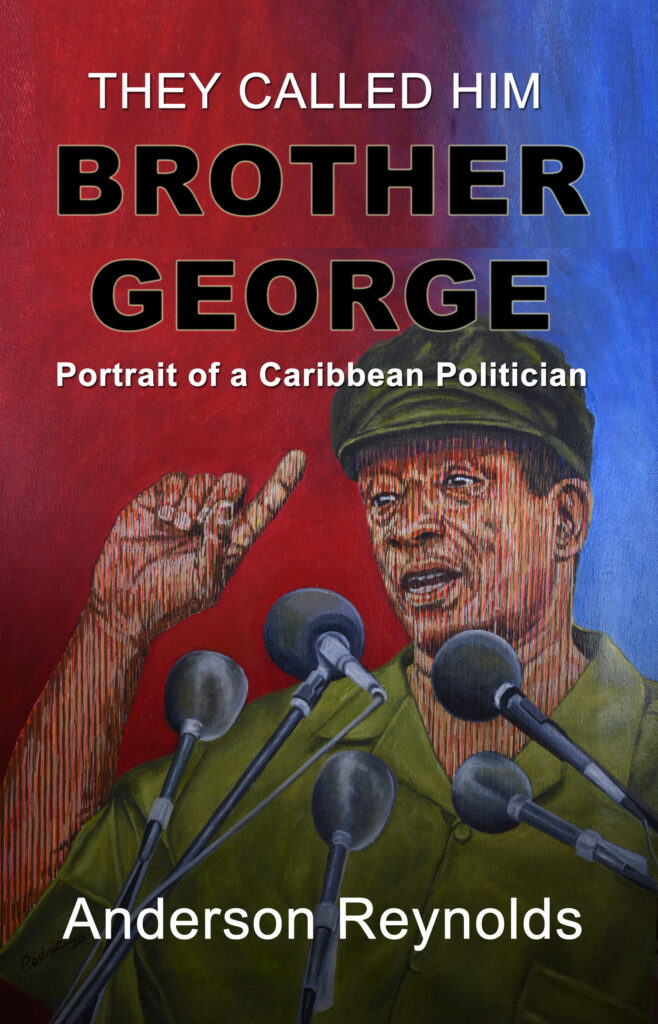
Follows George Odlum’s life from his secondary school and youthful sporting days to his passing and the fantastic funeral that ensued. It captures from multiple perspectives the political, artistic, and personal life of this heroic figure, highlighting the public’s fascination, mystification, love-hate relationship, and appreciation of him and their opinions on his place in St. Lucian and world history. The book answers such questions as: What was the principal source of Odlum’s greatness? Does he deserve St. Lucia’s Man of the Century Award? Why did he never become Prime Minister? And if he had become Prime Minister, how would St. Lucia be different?
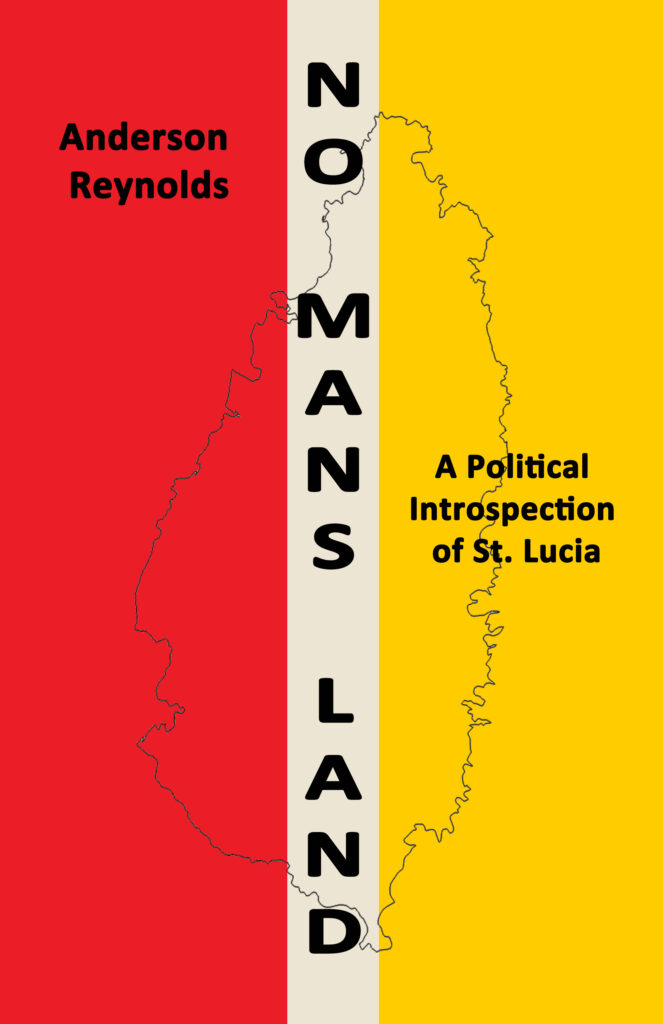
No Man’s Land dissects St. Lucian politics and society to pinpoint what is wrong with the country’s political system and how to fix it. It speaks to the hold history has on the country, and how race, partisanship, provincialism, and opportunism cloud the political process. It is a meditation on issues of patrimony, sovereignty, nationhood, corruption, and political empowerment. No Man’s Land offers a unique insight into Caribbean politics and is a must-read for anyone curious about the high stakes involved in the 2021 St. Lucia general elections.
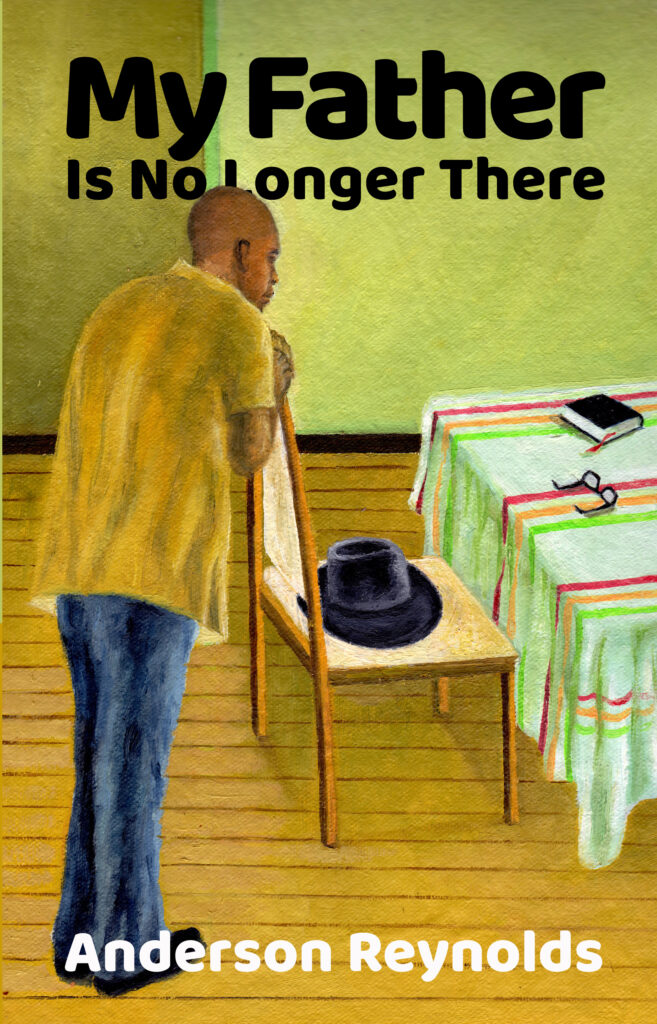
My Father Is No Longer There is nothing less than a meditation on the nature of death, the value of a life, and the nature of art and creativity. It is a manifestation of the author’s quest to get to know his father better than he did while he was alive. It is an exploration of family values, the depths of parental love and sacrifice, and the importance of parent-child bonding. My Father Is No Longer There will resonate with all those who have suffered a great loss, be it the death of a loved one or a parent-child separation.
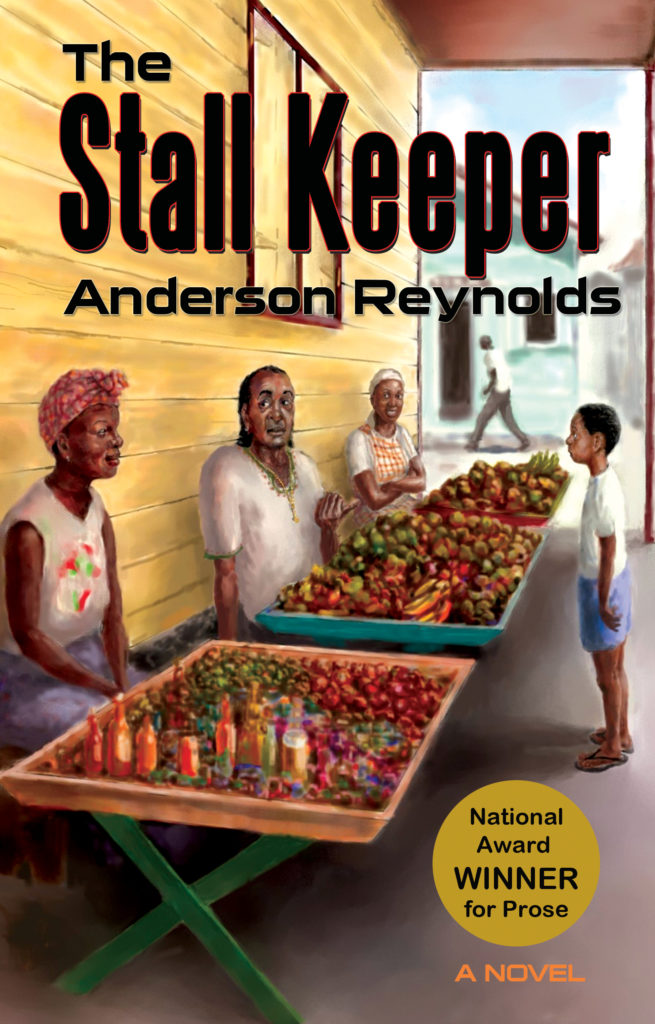
The inhabitants of Vieux Fort, a Caribbean town occupied by the Americans during World War II, were said to be waiting for the Americans’ return to bring back the good times. Five-year-old Henry, whose father died when he was eighteen months old, was still walking up to men asking, “Mister, are you my father?” His mother, Eunice, a strict Seventh Day Adventist with the gift of foretelling the future, would not be unequally yoked. Eugene, a stall keeper and the town’s most colorful and free-spirited character, was a woman living in a man’s body, and a man living in a woman’s world. Ruben, a favorite son, an intellectual, a famous cricketer and a staunch Roman Catholic, falls madly in love with Eunice. What happens in Vieux Fort when Henry teams up with Eugene and Ruben warms his way into the heart of Eunice is a tale of magic and tragedy.”
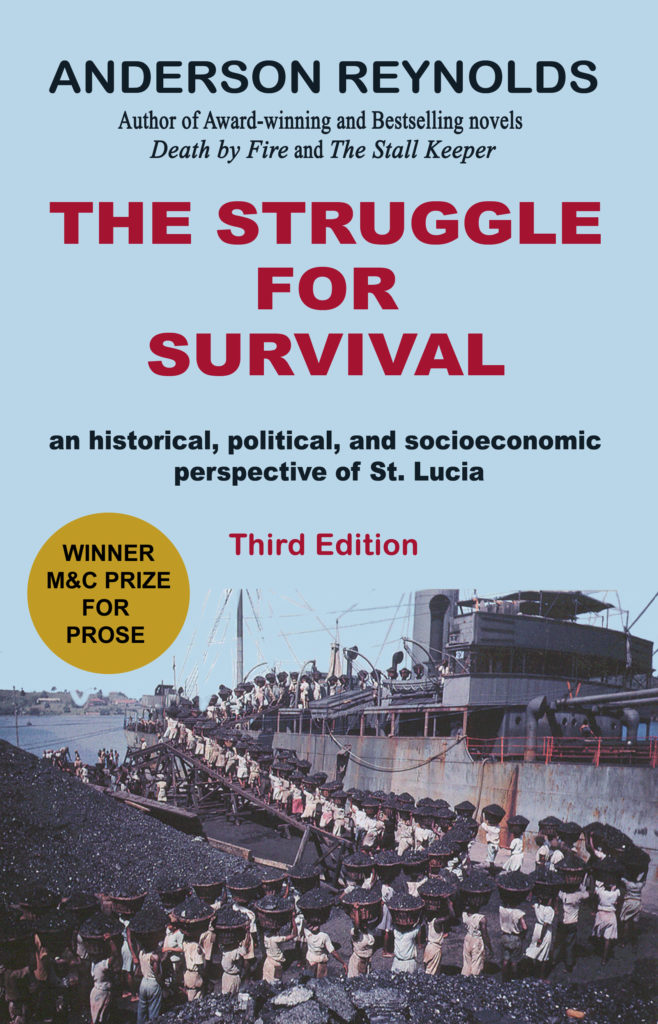
The Struggle For Survival eloquently retells the story of the tragic 1993 banana strike that culminated in the shooting death of two farmers. However, by going beyond the tragedy and delving into the island’s history, farmers’ struggles against droughts, hurricanes, falling prices, corrupt institutions, and multinational corporations are seen as a microcosm of the struggles of a people against slavery, colonialism, imperialism, and natural calamities. As such, The Struggle For Survival is nothing less than a story about the birth of a nation, and, by portrayal, the birth of West Indian Civilization.
Set in the picturesque Caribbean island of St. Lucia, Death by Fire is an epic novel in which natural calamities, historical events, supernatural forces, and betrayed love all combine in deciding the fate of its characters. Death by Fire is a profound statement on the nature of fate and the forces that shape society. A story that is as compelling and spellbinding as the island in which it is set is beautiful. The novel brings to mind the works of William Faulkner, Toni Morrison, and Jamaica Kincaid.
